Ou: Cahiers contra Présence, a guerra declarada.
If we made such a point of mise en scene ten years ago, this was done deliberately to stimulate controversy and to rehabilitate the idea that cinema is also something which one sees on the screen. But over the last few years the conception has been so widely abused that one is finally driven to explain what exactly one meant. It is not simply a matter of talking about the fascination of the image one sees on the screen, but of understanding how mise en scene is an expression of the intelligence of the director. The term covers, that is to say, not only the position of the camera, but the construction of the script, the dialogue, and the handling of the actors. Mise en scene, in fact, is simply a way of expressing what in the other arts would be called the artist's vision; and a novelist's vision obviously does not depend solely on where he places an adjective, or how he builds a sentence, but also on the story he is telling. When we made claims for Preminger, or Hawks, or Hitchcock, it should have been evident that it was their personal vision of the world we wanted to bring home to audiences.
But the whole conception has been abused to the point of imbecility, and it is now used to suggest that so long as the camera movement can be called sublime, it makes no difference if the story is fatuous, the dialogue idiotic and the acting atrocious. This, it seems to me, is the exact opposite of everything we fought for under the banner of mise en scène, when we insisted on the importance of establishing a film's authorship.
Sight & Sound, Outono 1963, entrevista com Jacques Rivette


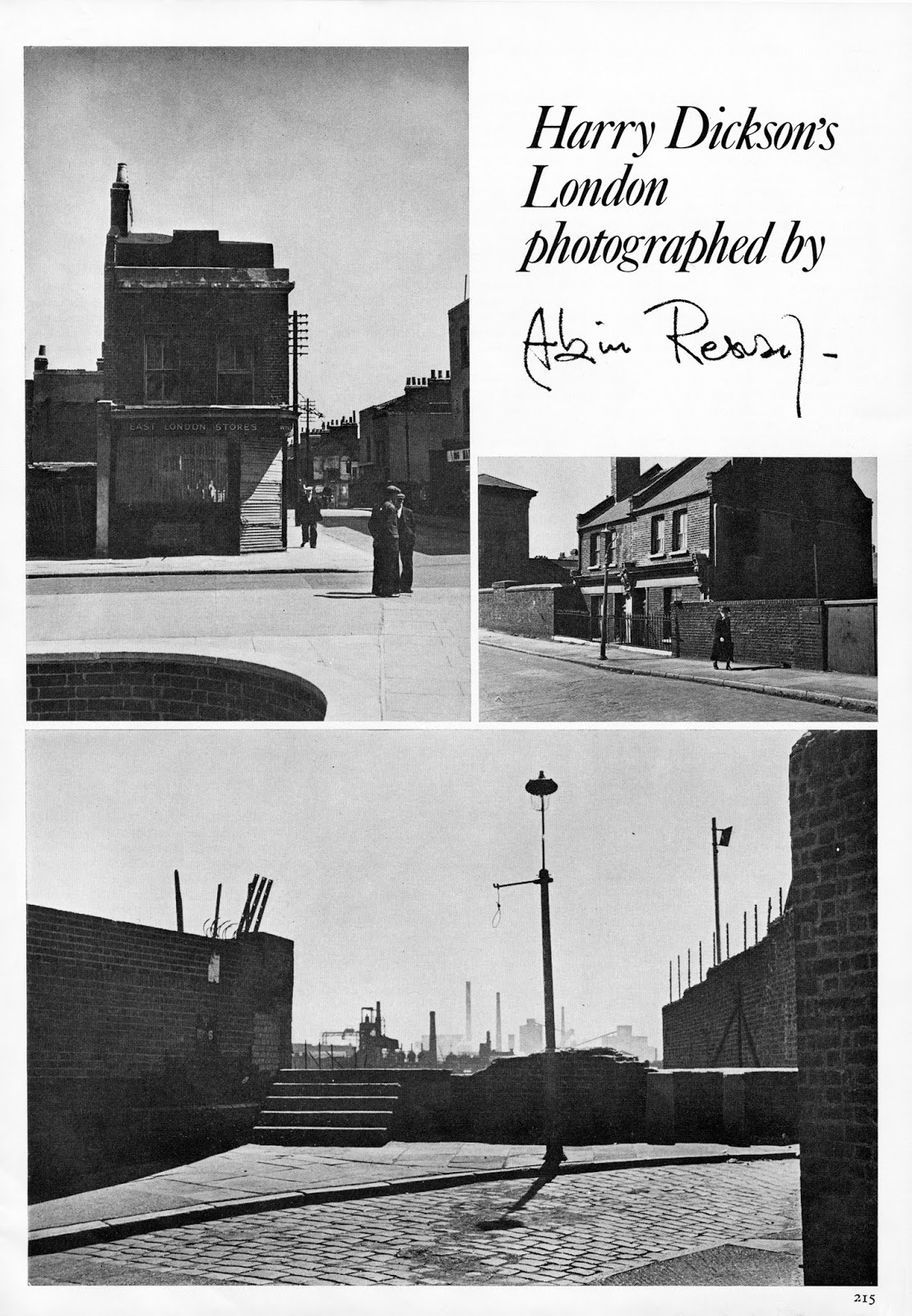


 Francis Lacassin e Tom Milne, "Alain Resnais: the search for Harry Dickson", Sight and Sound, outono de 1963


