

Mostrando postagens com marcador Jacques Rivette. Mostrar todas as postagens
Mostrando postagens com marcador Jacques Rivette. Mostrar todas as postagens
sábado, 7 de março de 2015

terça-feira, 17 de junho de 2014
Predicated on the development of a narrative convention both strict and elastic enough to accommodate a tension between dramatic probability and fantasy, between the continuity of suspense and the discontinuity of structure - between discourse and poetry, in short - Feuillade's work relates more to the future of film than to its past. Which is to say, as Robbe-Grillet has said, that "Imagination, when really alive, is always of the present." Annette Michelson, Film and the Radical Aspiration, Film Culture, n° 42, outono de 1966


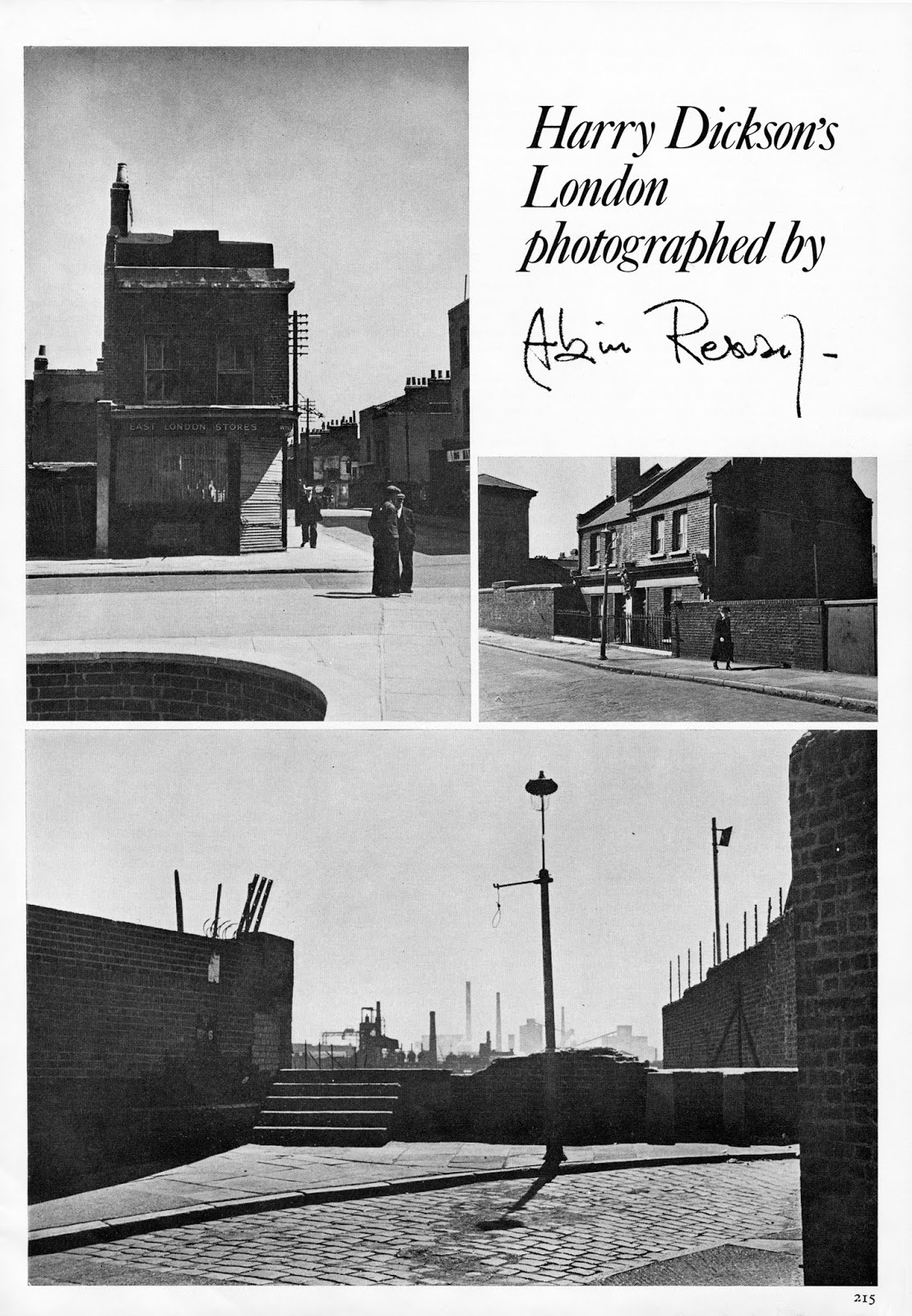


 Francis Lacassin e Tom Milne, "Alain Resnais: the search for Harry Dickson", Sight and Sound, outono de 1963


segunda-feira, 7 de abril de 2014
Como disse um amigo: depois que se toma consciência de algo, não se pode ficar inconsciente daquilo. Se a tomada de consciência parece inicialmente prejudicial, só um aumento dessa consciência pode tornar a situação positiva. O autor de Nous ne sommes plus innocents sabe bem disso.

domingo, 16 de junho de 2013


quarta-feira, 2 de janeiro de 2013
sexta-feira, 6 de janeiro de 2012
Pelas sendas da modernidade

Nous ne sommes plus innocents
Par Jacques RIVETTE (1950)
Voir à neuf aujourd’hui tels films de Stiller, Murnau, Griffith frappe et révèle l’exceptionnelle importance qu’y revêtent les gestes de l’homme, les démarches de tout l’univers sensible : l’acte simple de boire, de marcher, de mourir y possède une densité, une plénitude de signification et la confuse évidence du signe, transcendant toujours toutes interprétations et limitations – qu’il serait vain désormais de chercher dans le film ; à peu près seuls, Vigo, Renoir, suggèrent ainsi une incessante improvisation de l’univers, une perpétuelle et tranquille et sûre création du monde. Le silence n’explique rien.
Le mal commence avec les suiveurs des « pionniers », avec la réflexion sur le miracle ; toute réflexion implique l’analyse, – qui dût évidemment commencer par le plus sommaire : on réalise des films de synthèse, inexperte encore et naïve, d’où toute sève s’était enfuie. La maladroite systématisation d’un langage, d’une syntaxe que Griffith avait dû confusément élaborer pour s’exprimer, et qui n’était que la conséquence superficielle de son univers particulier – mit le ver dans le fruit, qui n’allait cesser, sous des formes toujours plus sourdes et subtiles, de littéralement dévitaliser le cinéma : lente création d’une rhétorique, toujours plus fine et nuancée, mais aussi plus impitoyablement analytique.
Car : toute découverte, à partir du plan unique ou du « tableau » des primitifs, devait aller presque toujours dans le sens de l’analyse, et plus précisément de l’ellipse, spatiale ou temporelle (un gros plan, est ellipse du contexte spatial) ; au nom de l’éminente supériorité de la suggestion, le refus bientôt systématique de rien montrer qu’exsangue et inoffensif, la dérobade effarée devant l’acte vivant, inséré dans l’espace concret, et sa tranquille impudeur, commandaient une fatale et obstinée dessiccation du réel. L’espace filmique « découpé », morcelé, bientôt désorienté dans l’accumulation des angles rares et divergents et des mouvements d’appareil, perd toute réalité, toute existence même ; on aboutit à un seul cinéma du temps, où rien n’existe que la pure durée de succession d’actes sans densité ni réalité : naissance de la dangereuse notion, toute gratuite, de rythme et de vitesse, – tentant de donner le change en remplaçant l’existence et la présence par l’accumulation, et espérant créer une proie d’une multiplication forcenée d’ombres fuyantes.
Un cinéma du discours rhétorique, où tout doit se plier aux formules usuelles et polyvalentes, stéréotypées pour tout usage : l’univers est capturé et détruit sous un filet de conventions formelles.
Qui correspondent cinématographiquement à des conventions de raison, et donc d’être : un univers, frappé de superficialité, d’irréalité, d’atonie, d’inefficacité, d’insignifiance, engendrant inévitablement la plus complète méfiance par les formes conventionnelles selon lesquelles il apparaît ; moins encore qu’ailleurs, il n’y a ici de séparation de forme et de fond : l’objet est tout dans son acte d’apparaître ; préméditation et routine le condamnent automatiquement et sans appel.
La grande erreur semble donc, d’un langage courant, indifférent à son objet, d’une « grammaire » valable pour n’importe quel récit ; au lieu d’un style nécessaire, nécessité pour celui-ci, plus : créé par lui au fur et à mesure de son expression. Le réalisme ne saurait être solution si l’on entend seulement, par ce mot, substitution, dans des cadres préexistants, interchangeables et inamovibles à des signes conventionnels (adaptés somme toute à leur fonction et à leur contexte) – d’autres, n’ayant de valeur que par référence à un univers autre, et sans commune mesure avec celui de l’écran. Mais seulement si réaliste celui qui se refuse à analyser et disséquer a priori, suivant schèmes et scalpels habituels, sa vision et la transcrit telle et sans intermédiaire sur pellicule, mettant la caméra en prise directe avec sa réalité.
Le « fond », dans son effort naturel à s’exprimer, devient forme et langage : le vivant-organique n’est pas de l’informe (mais seul ce qi est artificiellement animé). Un acte de foi s’impose : dans la puissance naturelle, la force vitale de l’univers intérieur à naître au monde sensible et naïvement s’exprimer : le fait de passer à l’être, à l’apparence, le formule automatiquement, si nul « repentir », nul préjugé, aucun complexe ou relent paralysant des anciennes rhétoriques, ne vient brouiller le jeu, le champ magnétique du miracle naturel, – et si nulle appréhension, nulle impatience, ou manque de foi, ne fait trembler la main guidant la caméra.
Nous crevons d’asphyxie, et d’intoxication rhétorique : il faut faire retour à un cinéma-transcription sur pellicule : « écriture » simple ; fixation d’univers et de leurs réalités concrètes, sans intervention personnelle de la mécanique (aux nickels d’avorteuse, tueuse, dissécatrice…) inscrire simplement sur film les manifestations, le mode de vie et d’être, le comportement du petit cosmos individuel ; filmer froidement, documentairement ; à l’univers de vivre ; la caméra réduite au rôle de témoin, d’œil ; et Cocteau a justement introduit la notion d’indiscrétion ; le plus nettement. Il faut se faire « voyeur ». Les trouvailles visuelles surgissent sans cesse à partir du moment où l’on cesse de les chercher (« Tu ne me trouverais pas si tu m’avais cherché »), par les rapports successifs des phénomènes observés entre eux, et par rapport à un regard qu’ils ne soupçonnent pas : ils n’agissent pas en conséquence de celui-ci, mais à l’état naturel.
La personnalité du créateur se manifeste certes dans son « choix » d’angles, dans son jeu par rapport à la rhétorique usuelle, – dans la mesure où ce qu’il veut montrer diffère d’un spectacle anonyme, et nécessite pour tout apparaître, un regard neuf, plus curieux et libre de préjugés, qui seul en saura pleinement rendre compte. Et l’univers commande ce regard, mais le regard ensemble impose et crée cet univers ; l’univers du créateur n’est que la manifestation, l’efflorescence concrète de son regard et de son mode d’apparaître, – ce regard qui n’est lui-même qu’apparition d’univers.
Il sied de rappeler, au terme d’une analyse dont les nécessités internes nous ont pu conduire à une artificielle division du réel ; dont la propre existence, absurde et contradictoire, ne saurait directement être prise pour objet, mais doit surgir au terme de l’examen, comme son couronnement naturel et sa preuve. – Univers et regard, l’un et l’autre une seule et même réalité ; qui n’existe que par le regard que l’on prend d’elle et celui-ci n’a de sens à son tour que par rapport à elle ; – réalité indissociable, où apparence et apparaître sont confondus, où la vision peut sembler créer la matière (travellings de Renoir), comme la matière impliquer la vision ; sans antériorité, ni relation de causalité. Une seule et même réalité aux deux visages confondus et uns dans l’œuvre créée.
Post-scriptum : lieux communs et vérités premières.
Le film est langage, certes, et profondément significatif, mais fait justement de signes concrets, et ne se laissant pas réduire en formules ; il est inutile, semble-t-il, de rappeler l’unicité du plan, de la prise : captation de l’instant irrémédiable. Là réside le défaut de tous les rapprochements littéraires : grammaires, syntaxes, morphologies, si bien intentionnés soient-ils. La systématisation néglige toujours a priori la complexité de la réalité sensible, pour échafauder ses échafaudages théoriques ; il ne saurait y avoir de grammaires, de syntaxes fondées en loi, mais seulement d’empiriques routines, de hâtives généralisations dans un tel moyen d’expression : nul plan ne se laisse ramener à une formule qui n’en laisse aussitôt échapper la complexe richesse, toutes les virtualités et puissances confuses, qui sont sa réalité même et son existence ; tout au plus pourra-t-on discerner quelques lignes de force tendant à orienter suivant certaines directions les particules sensibles (mais autant d’impondérables) du « champ » magnétique. Rien de semblable aux mots, signes abstraits et conventionnels, qui s’organisent suivant des règles stables ; le plan reste toujours du domaine de l’accidentel, de la réussite unique et sans retour ; une phrase se récrit à volonté. Les conventions de la syntaxe et de la rhétorique sont consubstantielles au mot, et participent de la même nature de convention sociale pour une réciproque compréhension : la croisade de Paulhan contre la « terreur » littéraire trouve en ces faits sa justification. Mais syntaxe et rhétorique sont dans le film, artificiellement plaqués sur du vivant, qui leur échappe, ou qu’elles paralysent, glacent et tuent : nul Paulhan n’est ici concevable ; où la seule Terreur fait loi. – L’expression naturelle qui, dans un langage artificiel et de convention, est de se plier aux conventions et aux artifices, exige, dans ce langage sans loi, toujours improvisé, créé, toujours aventureuse tentative, une continuelle improvisation, une création perpétuelle.
Gazette du Cinéma, maio 1950.
domingo, 25 de janeiro de 2009
(...) Nothing but appearances, but all in the same movement as their emergence, their birth, their invention: secret of the origin of the cinema, that exists here as though it were, from now on, no longer referring to a secret. But at the same time, our astonishment before it: Franju is at once the one who, through science, rediscovers the secret, and the modern one who knows it’s lost — and, astonishing himself with his power, keeping watch over the secret, affirming it, at last, beyond all doubt.Jacques Rivette, Cahiers du cinéma nº 149, novembro 1964
quarta-feira, 30 de janeiro de 2008
No teatro


Teatro é cinema e cinema é teatro, sim - mas esse teatro só tem algum valor enquanto cinema, esse cinema só tem algum valor enquanto teatro, à medida que se transformam mutuamente, metamorfoseando-se em outras expressões da arte (o Rivette em dança, o Resnais em arquitetura, o Parajanov em pintura), com o dispositivo fílmico pondo à prova o teatral e vice-versa.
segunda-feira, 10 de dezembro de 2007

quarta-feira, 3 de outubro de 2007
« ... Vive Preminger, qui sait qu'il n'est ni un penseur, ni un réformateur du monde, mais simplement un parfait metteur en scène, que dans ce mot il y a scène, et pourquoi le théatre serait-il pour nous matière [non] cinématographique? »
Jacques Rivette, « En attendant les Godons », Cahiers du Cinéma, n° 73, julho 1957, p. 39


terça-feira, 29 de maio de 2007
Rivette
“One could see there successively at 6:30 p.m. Griffith’s Broken Blossoms and at 8:30 Andy Warhol’s The Chelsea Girls. And it was fabulous precisely because one could see Griffith and Warhol together on the same night. Because it was then that one realized that there are not two or three kinds of cinema, there’s only one cinema. It was the perceptual interaction of the present and the past of the cinema that was so exciting.”
...
After years of obscurity, Jacques Rivette's puzzling Out 1 finally makes it to Chicago.

quarta-feira, 3 de maio de 2006
Contra o mac-mahonismo
Ou: Cahiers contra Présence, a guerra declarada.
If we made such a point of mise en scene ten years ago, this was done deliberately to stimulate controversy and to rehabilitate the idea that cinema is also something which one sees on the screen. But over the last few years the conception has been so widely abused that one is finally driven to explain what exactly one meant. It is not simply a matter of talking about the fascination of the image one sees on the screen, but of understanding how mise en scene is an expression of the intelligence of the director. The term covers, that is to say, not only the position of the camera, but the construction of the script, the dialogue, and the handling of the actors. Mise en scene, in fact, is simply a way of expressing what in the other arts would be called the artist's vision; and a novelist's vision obviously does not depend solely on where he places an adjective, or how he builds a sentence, but also on the story he is telling. When we made claims for Preminger, or Hawks, or Hitchcock, it should have been evident that it was their personal vision of the world we wanted to bring home to audiences.
But the whole conception has been abused to the point of imbecility, and it is now used to suggest that so long as the camera movement can be called sublime, it makes no difference if the story is fatuous, the dialogue idiotic and the acting atrocious. This, it seems to me, is the exact opposite of everything we fought for under the banner of mise en scène, when we insisted on the importance of establishing a film's authorship.
Sight & Sound, Outono 1963, entrevista com Jacques Rivette
quarta-feira, 21 de dezembro de 2005


Assinar:
Postagens (Atom)